

Moving an older parent or relative is rarely just a removals job. It can involve a smaller home, care needs, old paperwork, sentimental furniture, family opinions, and a person who may not have chosen the move in the first place.
The practical job is boxes and furniture. The real job is making the day feel calm, respectful, and organised.
Start with the person, not the boxes
Before anyone starts filling bin bags, agree what the move is meant to achieve. Is your relative moving:
- from a house into a bungalow?
- closer to family?
- into sheltered accommodation?
- into a smaller flat?
- after bereavement?
- because stairs or maintenance have become too much?
The answer changes the plan. A move into a similar-sized property is mostly logistics. A move into a much smaller place is a downsizing project with a removal day at the end.
For a real price for your specific move, the quickest path is to WhatsApp Shaun, call 07873 405 938, or email onthemove89@gmail.com. For Huddersfield-area and nearby Kirklees moves, Shaun can usually visit in person and give a free, written quote.
Measure the new home before sorting the old one
This step saves arguments. Measure the new rooms and decide what genuinely fits before people start debating every item.
Check:
- bed size and bedroom access
- favourite chair position
- sofa length
- wardrobe space
- dining table space
- white goods
- mobility aids
- hallway width
- lift or stair access
- parking outside
Draw a rough room plan if you can. It does not need to be pretty. It just needs to answer: where will the important furniture go?
Once the bed, chair, clothes storage, TV, kitchen basics, and personal items are accounted for, everything else becomes easier to sort.
Use five categories, not two
Families often start with only two piles: keep and throw away. That is too blunt, especially when a home has decades of history in it.
Use five categories:
- Keep and move
- Store for now
- Gift to family or friends
- Donate or sell
- Clear responsibly
Storage is useful when a decision is genuinely not ready. It is not useful when it becomes a paid loft for items nobody will ever open again. Label stored items properly and agree who will review them later.
For items that are not coming to the new home, our house clearances service can help with respectful removal, donation, recycling, and disposal.
Pack an essentials bag that never goes on the van
The essentials bag should stay with the family, not the removals crew.
Include:
- medication
- glasses and hearing-aid batteries
- phone and charger
- purse or wallet
- keys
- ID
- care notes
- solicitor or housing paperwork
- snacks and water
- warm layer
- toiletries
- nightwear
- clean clothes
If your relative has a care routine, write the basics down. Moving day is busy, and the person who knows the routine best may not be in the room at the exact moment someone needs an answer.
Decide whether they should be present
There is no one right answer. Some older people feel safer when they can see the move happening. Others find the noise, lifting, and constant questions overwhelming.
Options:
- they stay for the start, then go somewhere quiet
- they spend the day with family and arrive once the main rooms are set up
- they stay in one calm room while the crew works around them
- they are present for the final walk-through only
If they are staying during the move, choose one room as the calm room and clear it first or last. Put a chair, drink, medication, and coat there. Keep traffic through that room low.
Make one room ready first
At the new property, the first usable room matters. For most older-relative moves, that means bedroom or sitting room.
Ask the crew to prioritise:
- bed frame and mattress
- favourite chair
- kettle and mugs
- basic kitchen box
- medication bag
- TV if it helps them settle
- bathroom essentials
The rest of the house can be imperfect for a day. A made bed and a familiar chair make the new place feel less like a building site.
For wider planning, our moving house checklist is useful, but older-relative moves need more breathing room than a normal checklist suggests.
Watch for access issues early
Kirklees homes vary wildly. A move might involve a stone terrace in the valley, a bungalow in Holmfirth, a flat in Huddersfield, or a family house in Lindley with a narrow drive.
Check:
- steps at both properties
- tight turns on stairs
- distance from door to van
- parking restrictions
- low walls or narrow gates
- whether a large wardrobe or chair will fit
- whether white goods are being moved
This is where an in-person quote helps. Shaun can see the route, spot awkward furniture, and tell you what needs dismantling or protecting before the day.
For larger family moves, see our house removals page. If the job is more about careful sorting and removal of unwanted items, house clearances may be the better starting point.
Be careful with sentimental items
Sentimental items slow moves down, and that is fine. The mistake is leaving those decisions until the van is half loaded.
Deal with these before moving week:
- photo albums
- medals
- letters
- jewellery
- ornaments
- heirlooms
- old documents
- furniture promised to relatives
Small sentimental items should travel with family where possible. Larger sentimental furniture should be clearly named during the quote so the crew knows it is not just another cabinet.
When storage helps
Storage helps when the new home is smaller or when several relatives need time to decide what happens next.
Good reasons to use storage:
- the new property cannot take all the furniture yet
- family members are collecting items later
- sale, donation, or auction needs organising
- the move date is fixed but decisions are not finished
- a second move is likely soon
Our self-storage starts from £6 per week with no minimum term. That flexibility matters when families need a bit of time without committing to months.
Keep the day quiet where you can
A good older-relative move does not need grand gestures. It needs fewer surprises.
Confirm the plan the day before. Keep one family contact in charge. Do not have five people giving the crew different instructions. Label rooms clearly. Keep pets away from the door. Make sure keys, medication, and paperwork are not boxed.
Most importantly, leave space for the person who is moving to feel what they feel. The removals side can be efficient without being rushed. The family side may need a slower pace.
That is not a problem to work around. It is the point of doing the move properly.
Frequently Asked Questions
How early should we plan a move for an older parent?
Can a removal company help with downsizing?
Should an older relative be there on moving day?
Can you store furniture if the new home is smaller?
Do you visit before quoting this kind of move?
Keep reading
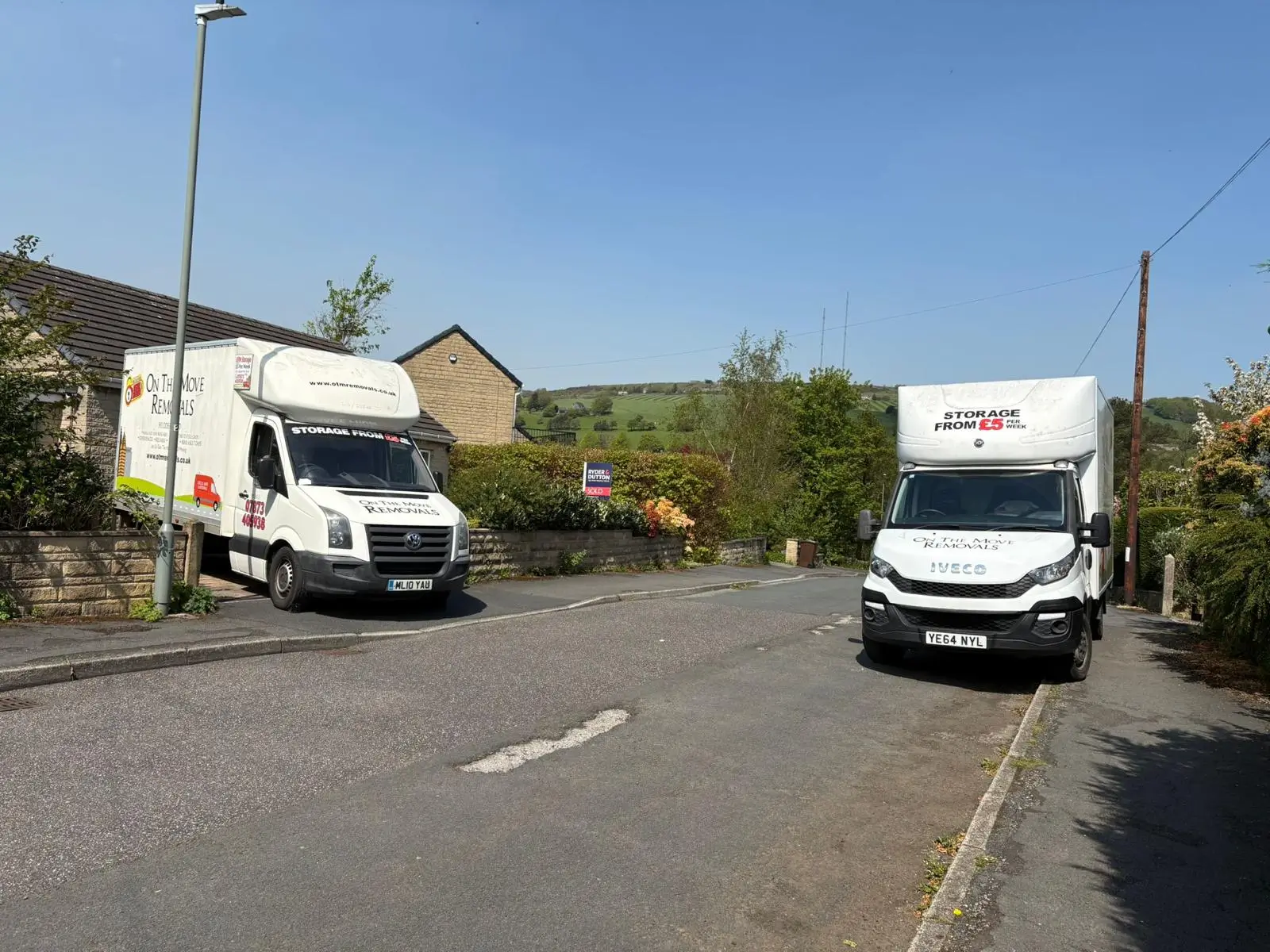
Downsizing Before a House Move: Where to Start
How to downsize before a house move without panic, including sorting rooms, storage, house clearance, sentimental items, and move-day planning.
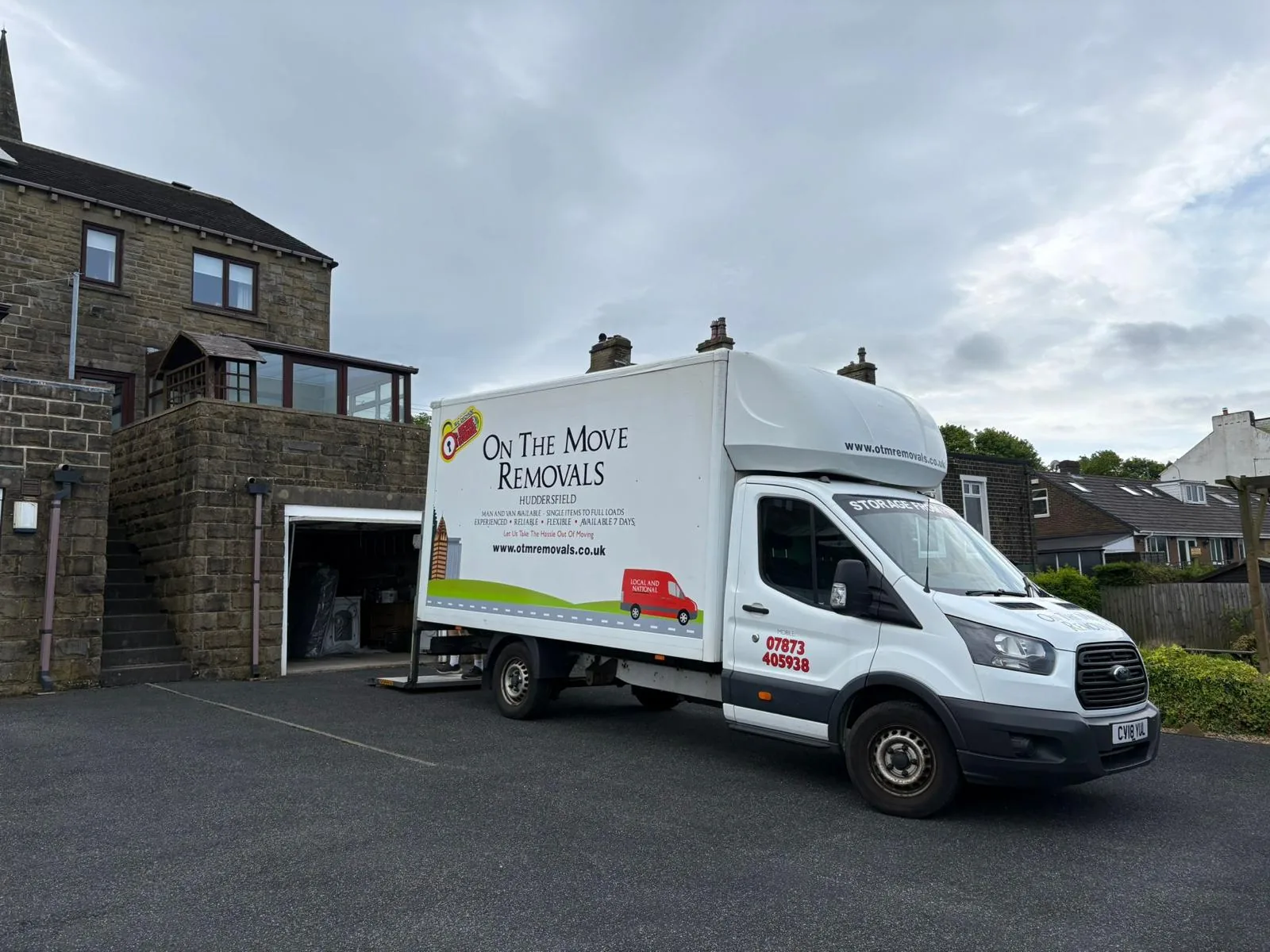
Why Our WhatsApp Quote Videos Are Pre-Recorded, Not Live
When an in-person quote isn't possible, we ask for a pre-recorded WhatsApp removal quote video rather than a live call. How it works, why pre-recorded, and what to film.